


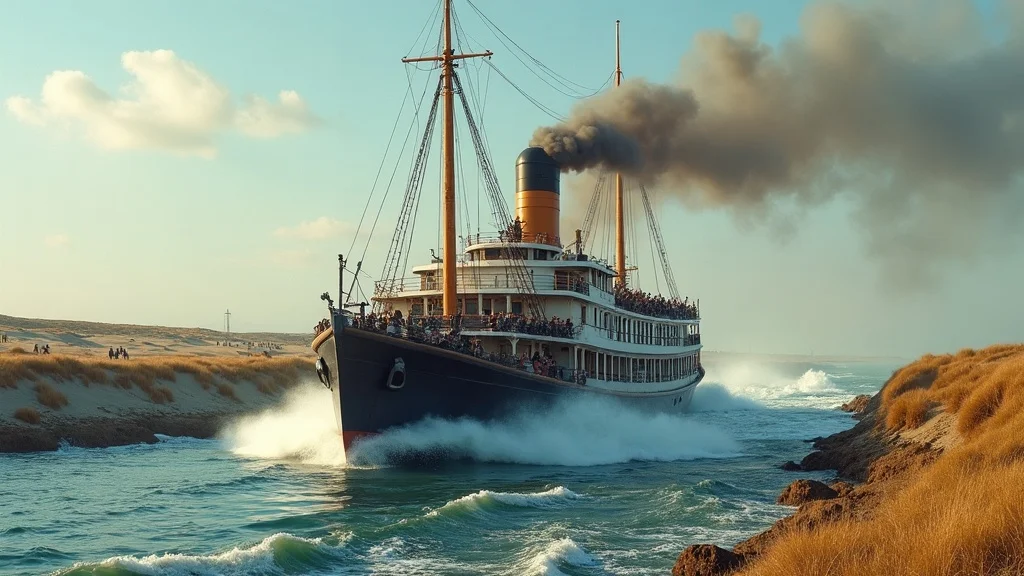
Imagine standing on the deck of a steamer, the salty breeze whipping across your face as you gaze out toward the misty horizon of an uncharted bay. In 1870, Captain Samuel S. Dunnells took just such a daring leap, steering the steamer Vaquero through the tricky entrance of what would soon become Newport Bay. This wasn’t just another journey along California’s coast it was the spark that ignited the birth of Newport Beach, forever changing the future of this vibrant Orange County community.
Introducing Captain Samuel S. Dunnells and His Lasting Impact on Newport Beach
Long before Newport Beach became synonymous with luxury, surf, and sunshine, it was a wild expanse of wetlands viewed as difficult to access and nearly impossible to develop. Captain Samuel S. Dunnells saw opportunity where others saw only mud and marshes. By skillfully guiding the Vaquero through the sandbars and shoals guarding this section of the Pacific coast, Dunnells proved Newport Bay could open a world of new possibilities. This act not only established a route for trade and shipping but inspired a generation of entrepreneurs and settlers including the likes of James and Robert McFadden who would help shape the city of Newport Beach into the bustling destination it is today.
Dunnells’ journey into the heart of Newport Bay was like flipping a switch for the entire region. What was once overlooked “swamp and overflow land” suddenly found a new identity as a “new port” with the promise of active commerce. The effects reached far beyond the narrow channel; they formed the early roots of such iconic communities as Balboa Island and set a course for Orange County’s transformation from sleepy shoreline to coastal hub. The legacy of captain samuel s. dunnells stands at the foundation of every story, every home, and every boat bobbing in Newport Harbor today.
How Captain Samuel S. Dunnells Piloted the Steamer Vaquero into Newport Bay
Guiding a steamer like the Vaquero into a little-explored harbor was no easy feat. In 1870, the navigation charts for Newport Bay were incomplete, and treacherous sandbars lined the mouth of the inlet. Captain Samuel S. Dunnells needed precise judgment, daring, and true seafaring skill to attempt the journey. Approaching from just south of Santa Ana and near Corona del Mar, Dunnells waited for the perfect tidal swell before piloting the Vaquero safely between shifting shoals and into the calm backwaters of what later became known as Newport Bay. This act of bravery and vision quickly caught the attention of local historical societies and business leaders, altering perceptions about what could be accomplished along this stretch of the California coast.
This voyage proved the overall viability of Newport Bay as a commercial port a critical realization when California’s coastal towns like Del Mar and Los Angeles were also expanding their shipping businesses. Dunnells’ successful entry gave rise to the term “new port” (from which Newport Beach derives its name) and spurred significant interest in regional trade, land development, and the eventual creation of a thriving harbor community. Without this pivotal event, it’s possible Newport Beach, Balboa Peninsula, and Balboa Island would have remained empty marshes for decades longer.
What You'll Learn About Captain Samuel S. Dunnells and Newport Bay
Captain Samuel S. Dunnells’ background and early days
The key events that shaped Newport Beach’s emergence
The commercial significance of Newport Bay after 1870
Balboa Island’s evolution and its relation to Newport Beach
Frequently asked questions about Balboa Island and Newport Beach
The Early Life and Maritime Career of Captain Samuel S. Dunnells
Before his defining moment at Newport Bay, Captain Samuel S. Dunnells was already well known up and down the California coast for his maritime skill and pioneering spirit. Raised in an era where seafaring was both a way of life and a means of exploration, Dunnells began as a humble deckhand and quickly rose through the nautical ranks. His knowledge of the ocean, tides, and unpredictable coastal weather made him the ideal leader for risky shipping ventures a reputation that followed him as he sailed between harbors from Santa Ana to Los Angeles and beyond. This breadth of experience prepared Dunnells to take on one of the boldest challenges of his career: navigating the uncharted entrance to present-day Newport Bay.
Dunnells’ journey was shaped by the thriving trade scene of the mid-19th century. California’s coastal settlements, including parts of Orange County and the areas surrounding Corona del Mar, relied on seaborne commerce for everything from lumber to livestock. Shipping business owners and port authorities needed sailors like Dunnells who could read the changing tides and envision new ways to link local resources to global markets. This maritime environment fueled his sharp instincts and laid the foundation for his eventual role in the transformation of Newport Beach from an overlooked coastline to a center of trade and community life.
Before Newport Bay: Captain Samuel S. Dunnells’ Influence Along the California Coast
Captain Samuel S. Dunnells was more than just a sailor he was a pioneer in West Coast maritime history. Prior to his headline journey into Newport Bay, Dunnells plied the waters connecting Del Mar, Los Angeles, and Santa Ana. Known among shipping circles from the bustling piers of San Pedro to the quieter wharves along Orange County, Dunnells developed routes and relationships with many key players shaping California’s economic rise. His partnership with fellow shipping business leaders and his willingness to transport goods even into less-developed ports made him a trusted figure in local commerce.
Dunnells contributed to the prosperity of nearby communities and helped lay early groundwork for those who would follow in his wake, such as James McFadden and Robert McFadden, the future developers of the famed McFadden Wharf. The skills he honed navigating swamp and overflow land and overcoming natural obstacles became central to his later triumphs in Newport Bay. Without such groundwork, the eventual linkage between Balboa Peninsula, Lido Islands, and the thriving heart of Newport Beach might never have happened. His regional influence reverberated through every piece of real estate and every budding community on the coast.
Shaping Newport Beach: Key Historical Context
When Captain Dunnells first sailed into Newport Bay, Southern California was in the midst of transformative change. The arrival of the railroad, real estate speculation, and emerging trade links with Los Angeles and beyond all laid the groundwork for what would become the City of Newport Beach. Wealthy landowners and entrepreneurs began to cast their eyes upon “swamp and overflow” land, realizing its untapped potential. The addition of electric railway lines in later years opened up easier access from Santa Ana and Los Angeles, fueling a real estate boom and further connecting the region.
The historical society records show that the establishment of shipping routes through Newport Harbor and the construction of key infrastructure like the McFadden Wharf provided Newport Beach with a platform for commercial growth. These events set the stage for the successive development of Balboa Island, Balboa Peninsula, and a diverse waterfront that includes restaurants, parks, and the city’s iconic bay bridge. Captain Samuel S. Dunnells’ role as the initial trailblazer stands out as the moment when Newport Beach took its first step toward becoming a landmark of Orange County and Southern California culture.
Captain Samuel S. Dunnells and the Discovery of Newport Bay’s Potential
The arrival of the Vaquero in Newport Bay was a true turning point in California’s coastal story. At a time when almost everyone wrote off the wetlands as unusable, Captain Samuel S. Dunnells saw what others did not. His successful navigation of Newport Harbor’s entrance a feat that needed careful timing with tides and quick adaptation to ever-changing parts of the harbor impressed both settlers and landowners. This action did more than open a physical waterway; it validated Newport Bay’s promise as a commercial center and made it possible for future generations to imagine vibrant communities rising from once desolate land.
Once word got out about Dunnells’ achievement, developers and city planners immediately recognized the bay’s potential. Swamp and overflow land along the side of the bay became a hot commodity, and locals watched as the area transformed from empty marshes to a hive of opportunity. This transition powered the emergence of Newport Beach as a true port and set in motion the foundations for Balboa Island’s future, eventually ushering in a new era for the region.
Transforming Newport Beach from Coastal Wetlands to a Modern City
The conversion of Newport Beach from an expanse of wetlands to a thriving urban center happened faster than many expected, thanks in large part to Captain Dunnells’ pioneering courage. Following on the heels of the Vaquero’s journey, new investments in real estate came quickly. Leading figures of the time, like James and Robert McFadden, constructed essential facilities including the McFadden Wharf, and the spread of the red car electric railway ensured steady movement of passengers and goods between Orange County, Santa Ana, and Los Angeles. Each new development made Newport Beach more accessible and attractive, laying down roads, building wharves, and systematically shaping a diverse coastline. Restaurants, parks, and city infrastructure grew up along the waterfront, joined by lively promenades and bustling harbors.
The evolution of Balboa Peninsula and Balboa Island paralleled Newport Beach’s transformation. Artistic designs and community-minded planning turned what was once considered overflow land into some of California’s most cherished neighborhoods. The vibrancy seen today from the boats floating in Newport Bay to the lively activity along the city’s promenades can be traced directly back to the risks and vision of early leaders like Dunnells. His story is woven into every street and shoreline, making Newport Beach’s rise a shining example of how innovation, daring, and persistence can reshape the world.
A Timeline of Major Events During Captain Samuel S. Dunnells’ Era in Newport Bay and Newport Beach
Year |
Event |
Significance |
|---|---|---|
Pre-1870 |
Early maritime activity along California’s coast (Del Mar, Los Angeles, Santa Ana) |
Captain Samuel S. Dunnells builds experience and reputation as a pioneering mariner |
1870 |
Captain Dunnells pilots the steamer Vaquero into Newport Bay |
Proves bay’s commercial viability, initiates interest in Newport Beach as a “new port” |
1875-1888 |
Increased shipping, investment, and settlement |
Sparks the development of McFadden Wharf and early port infrastructure |
1890s |
Expansion of regional railway, including the “red car” electric railway |
Connects Orange County, Santa Ana, and Los Angeles, boosting commerce and real estate |
Early 1900s |
Balboa Peninsula and Balboa Island development, first dredging and construction |
Cements ties between Newport Bay, Balboa Island, and Newport Beach’s growth |
Present Day |
Modern Newport Beach, thriving harbor, and vibrant community landmarks |
Legacy of Captain Dunnells seen in city’s coastal identity and prosperity |
Quotes from Local Historians on Captain Samuel S. Dunnells’ Impact
"Captain Samuel S. Dunnells’ journey into Newport Bay didn’t just open a waterway it opened a new chapter in California’s history."
Balboa Island, Newport Bay, and Captain Samuel S. Dunnells: An Interconnected Legacy
The story of Balboa Island is inseparable from the development of Newport Bay and the legacy of Captain Samuel S. Dunnells. The island, now known for its charming real estate and unique coastal culture, began as a marshy patch of land at the edge of a newly-discovered harbor. When the Vaquero entered Newport Bay, it set the stage for investors and dreamers to imagine something extraordinary. Over the next several decades, Balboa Island would be engineered from swamp and overflow land, a bold feat that reflected the adventurous spirit first exemplified by Dunnells.
The area’s evolution involved extensive dredging, land reclamation, and the construction of connecting bridges and ferry services transformations that shaped not just the physical geography, but also the distinctive sense of community found in Balboa and throughout Newport Beach. Today, Balboa Island serves as both a historic district and a bustling residential enclave, continuously drawing inspiration from its origins in innovation and perseverance. The island’s development, alongside Lido Islands, Balboa Peninsula, and parts of Newport Harbor, completes a picture of a thriving, interconnected coastal Orange County city with roots in the bold decisions of the 19th century.
Newport Beach’s Growth After the Vaquero and the Role of Balboa Island
Following Captain Dunnells’ opening of Newport Bay, Newport Beach began a period of remarkable growth and change. The completion of the McFadden Wharf and the arrival of the electric railway from Santa Ana and Los Angeles made the area appealing for both commerce and settlers. Balboa Island, engineered from marshland and made possible by visionary dredging projects, quickly became a centerpiece for this transformation. Envisioned as a resort community, the island soon filled with bungalows and bustling shops, and remains a hub for waterfront living, local retail, and recreation.
This growth had a ripple effect throughout the region. The communities on either side of the bay Balboa Peninsula, West Newport, Lido Islands, and the city of Newport Beach each prospered thanks to a shared legacy of risk-taking and creativity. Modern real estate values and the popularity of amenities like Balboa Bars, waterfront parks, and lively boat festivals echo the lasting spirit introduced by Captain Samuel S. Dunnells and his contemporaries. Their daring determination continues to inspire locals and visitors alike.
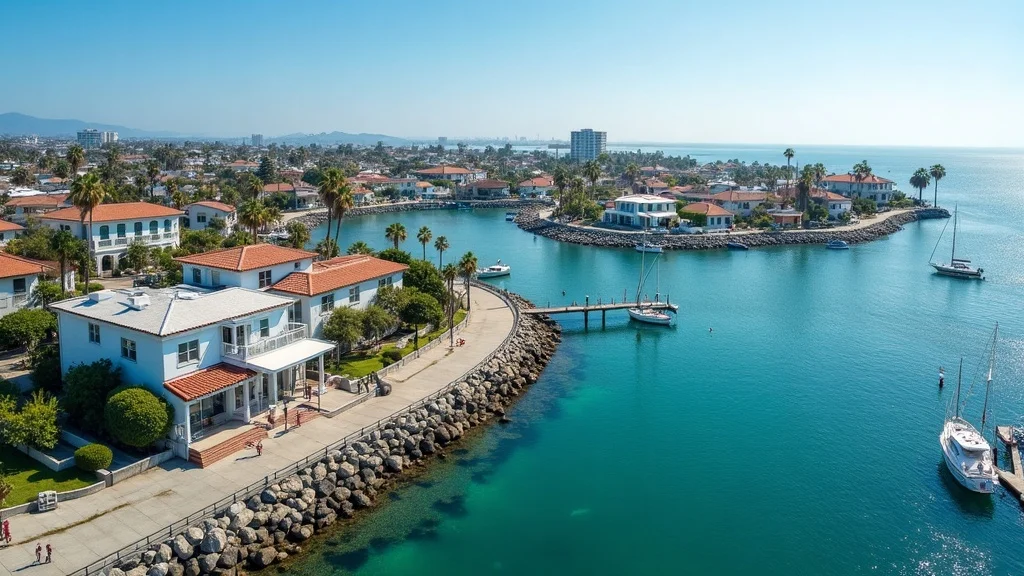
People Also Ask
Who is Balboa Island named after?
Answer: Balboa Island was named after Spanish explorer Vasco Núñez de Balboa, though its history is deeply tied to Newport Bay and the developments initiated by Captain Samuel S. Dunnells.
What is the significance of Balboa?
Answer: Balboa is significant as an iconic part of Newport Beach; its development was crucial in the area’s transformation from wetlands to a thriving harbor and community, with roots in Captain Samuel S. Dunnells’ era.
Who lives on Balboa Island?
Answer: Balboa Island is a residential enclave within Newport Beach, home to both longstanding families and newer residents attracted by its coastal charm and historical significance.
Is Balboa Island Man made?
Answer: Yes, Balboa Island is man-made, created through dredging and engineering efforts that parallel the innovative spirit introduced to Newport Bay by Captain Samuel S. Dunnells.
Frequently Asked Questions About Captain Samuel S. Dunnells and Newport Bay
How did Captain Samuel S. Dunnells influence Newport Beach’s economic development?
By navigating the Vaquero into Newport Bay, Dunnells unlocked the area’s potential for commerce, making it possible to develop ports, businesses, and support growing real estate markets throughout Orange County and beyond.What is the historical timeline of Newport Bay’s transformation?
Starting with Dunnells’ pivotal journey in 1870, followed by shipping expansion, construction of McFadden Wharf, and rail connectivity, the area evolved from wetlands to a thriving harbor, eventually spurring the development of Balboa Peninsula, Balboa Island, and a world-class urban community.How are Balboa Island, Newport Bay, and Newport Beach intertwined in local history?
All three are linked by the exploration and development inspired by Captain Samuel S. Dunnells, whose successful voyage paved the way for the creation of new neighborhoods, engineering marvels, and a lasting sense of coastal identity in Southern California.
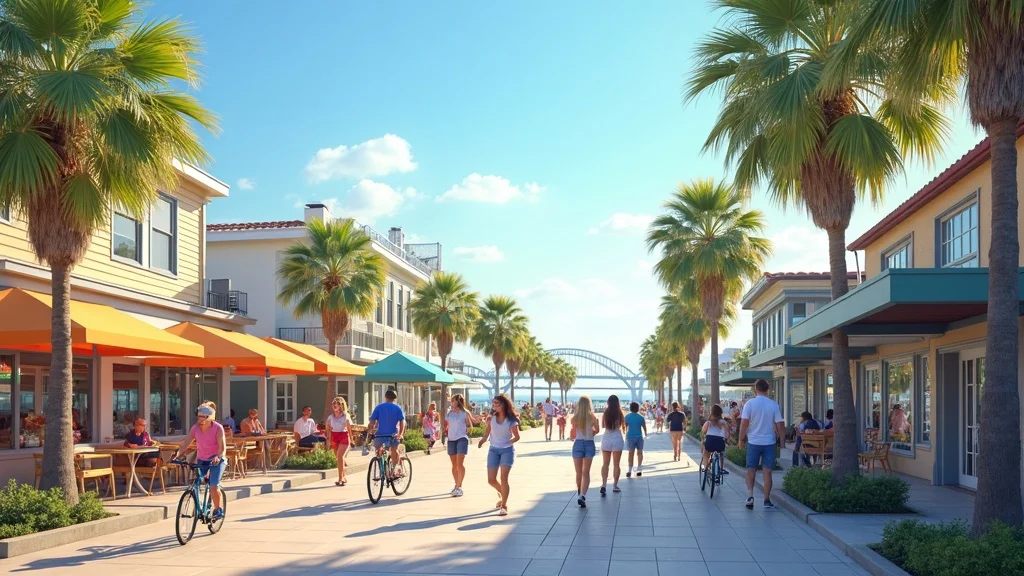
Key Takeaways on Captain Samuel S. Dunnells’ Role in Newport Beach and Newport Bay
Captain Samuel S. Dunnells was instrumental in opening Newport Bay for commerce.
The arrival of the steamer Vaquero was a turning point in regional development.
Balboa Island’s success and Newport Beach’s modern identity are closely linked to Dunnells’ early achievements.
For More Insight on Newport Beach and Balboa Island History
A documentary-style short video visually summarizing the history of Captain Samuel S. Dunnells, his arrival in Newport Bay, the transformation into a thriving harbor, and the subsequent development of Balboa Island. Features archival images, animated maps, and voiceover narration for timeline clarity.
The Rob Mullins Marketing Team hopes this article has been interesting and valuable to you. Do you have any questions or would you like us to help your company with Local Marketing and becoming a Trusted Topical Authority in your industry? Send us an email: rob@robmullinsmarketing.com or schedule a call with us at https://talkwithrob.com
Conclusion
Captain Samuel S. Dunnells’ bold journey continues to shape Newport Beach and Newport Bay’s story today, reminding us that visionary leadership and a pioneering spirit can open endless possibilities for communities.
Sources
In 1870, Captain Samuel S. Dunnells navigated the steamer Vaquero into Newport Bay, marking the inception of Newport Beach as a commercial hub. This pivotal event is commemorated by the Old Landing Historical Marker, which details how Dunnells and William A. Abbott opened the bay to commerce on September 10, 1870. The marker notes that the landing was designated “Newport” a new port by James Irvine, Benjamin Flint, James McFadden, and Robert McFadden, who subsequently operated a regular shipping service in the area during the 1870s and 1880s. (hmdb.org)
Further insights into Newport Beach’s history reveal that the area’s development was significantly influenced by Dunnells’ successful navigation. His journey demonstrated the bay’s potential for commerce, attracting settlers and entrepreneurs. The McFadden brothers, recognizing this opportunity, established a shipping service in the 1870s and 1880s. However, the shallow waters and shifting sandbars near the original landing posed navigational challenges, leading to the construction of McFadden Wharf in 1888. This wharf extended into the ocean, allowing ships to dock safely without navigating the treacherous inner waters. The addition of a railroad in 1891 facilitated the transportation of cargo inland, laying the foundation for the vibrant community that Newport Beach is today. (enjoyorangecounty.com)
For a visual representation of this historical event, the Old Landing Historical Marker provides an image of the marker itself, offering a tangible connection to the moment when Newport Bay was first opened to commerce. (hmdb.org)
These resources offer a deeper understanding of Captain Samuel S. Dunnells’ instrumental role in transforming Newport Bay into a thriving commercial port, highlighting the enduring impact of his pioneering efforts on the development of Newport Beach.

Write A Comment